Dental laboratories today require highly precise and efficient equipment to produce high-quality restorations such as crowns, bridges, implant abutments, and dentures. One of the most important technologies used in modern dental labs is the 5-axis dental milling machine. These advanced systems allow laboratories to mill complex restorations with superior accuracy, speed, and consistency.
Unlike traditional milling machines, 5-axis systems can process complex geometries and undercuts with greater precision. This makes them ideal for producing zirconia restorations, ceramic crowns, PMMA prosthetics, and wax models used in digital dentistry workflows.
Many dental laboratories around the world are now upgrading their CAD/CAM systems to include advanced milling machines that support a wide range of materials and offer reliable performance.
Below are some of the best 5-axis dental milling machines available for professional dental laboratories.
Dentsply Sirona inLab MC X5
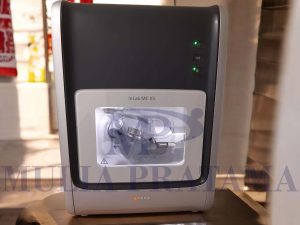
One of the most advanced milling machines available today is the Dentsply Sirona inLab MC X5 Dental Milling Machine. This powerful 5-axis dental milling unit is designed specifically for professional dental laboratories that require high precision and flexible material processing.
The inLab MC X5 supports both wet and dry milling processes, allowing dental technicians to work with a wide variety of materials including zirconia, PMMA, wax, ceramics, and composite materials. Its industrial-grade design ensures stable performance even during continuous laboratory production.
Key advantages include high milling accuracy, efficient material processing, and compatibility with modern dental CAD/CAM workflows. Because of these capabilities, the inLab MC X5 is widely used by dental laboratories that focus on high-quality prosthetic production.
Laboratories looking for a reliable milling system often consider the Sirona inLab MC X5 because it combines German engineering with advanced digital dentistry technology.
Roland DWX-52D Dental Milling Machine
Another popular option for dental laboratories is the Roland DWX-52D. This 5-axis milling machine is known for its compact design and user-friendly operation. It supports dry milling and is commonly used for zirconia restorations.
Dental labs appreciate its automatic tool changer, intelligent tool control, and stable milling performance. Roland milling systems are widely used in small and medium dental laboratories because they offer reliable performance while maintaining reasonable operating costs.
Amann Girrbach Ceramill Motion 2
The Ceramill Motion 2 from Amann Girrbach is another advanced dental milling system designed for professional laboratories. This hybrid milling unit supports both wet and dry milling, making it versatile for different restoration materials.
It integrates seamlessly with digital dental workflows and is often used by laboratories that focus on implant restorations and complex prosthetics.
Why 5-Axis Dental Milling Machines Are Important
Dental milling technology has evolved significantly over the past decade. While 4-axis machines can handle basic restorations, 5-axis machines provide much greater flexibility.
Advantages of 5-axis dental milling machines include:
• Ability to mill complex dental geometries
• Higher accuracy for implant restorations
• Better surface quality for ceramic materials
• Improved production efficiency
• Compatibility with modern CAD/CAM workflows
Because of these advantages, most modern dental laboratories now prefer 5-axis milling machines when upgrading their digital equipment.
Choosing the Right Dental Milling Machine
When selecting a dental milling machine, laboratories should consider several important factors. These include milling precision, material compatibility, workflow integration, maintenance requirements, and production capacity.
Machines like the Dentsply Sirona inLab MC X5 Dental Milling Machine are designed to support high-volume dental laboratory environments while maintaining excellent accuracy and reliability.
Laboratories that process multiple restoration materials or work with complex prosthetic designs will benefit from investing in advanced milling technology.
Conclusion
The adoption of digital dentistry continues to grow worldwide, and dental milling machines play a critical role in this transformation. High-precision 5-axis systems allow laboratories to produce restorations faster and with better consistency.
Among the available options, machines like the Dentsply Sirona inLab MC X5 Dental Milling Machine provide advanced capabilities, flexible material compatibility, and reliable performance for professional dental laboratories.
As demand for high-quality dental restorations continues to increase, investing in a modern dental milling machine can significantly improve laboratory productivity and treatment outcomes.