Modern infrastructure relies heavily on underground sewer systems and pipelines. When problems occur inside these pipes, locating the exact issue can be extremely difficult without the right inspection tools. This is where a pipe inspection camera becomes an essential diagnostic device.
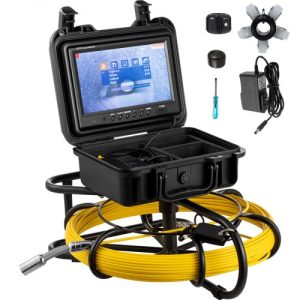
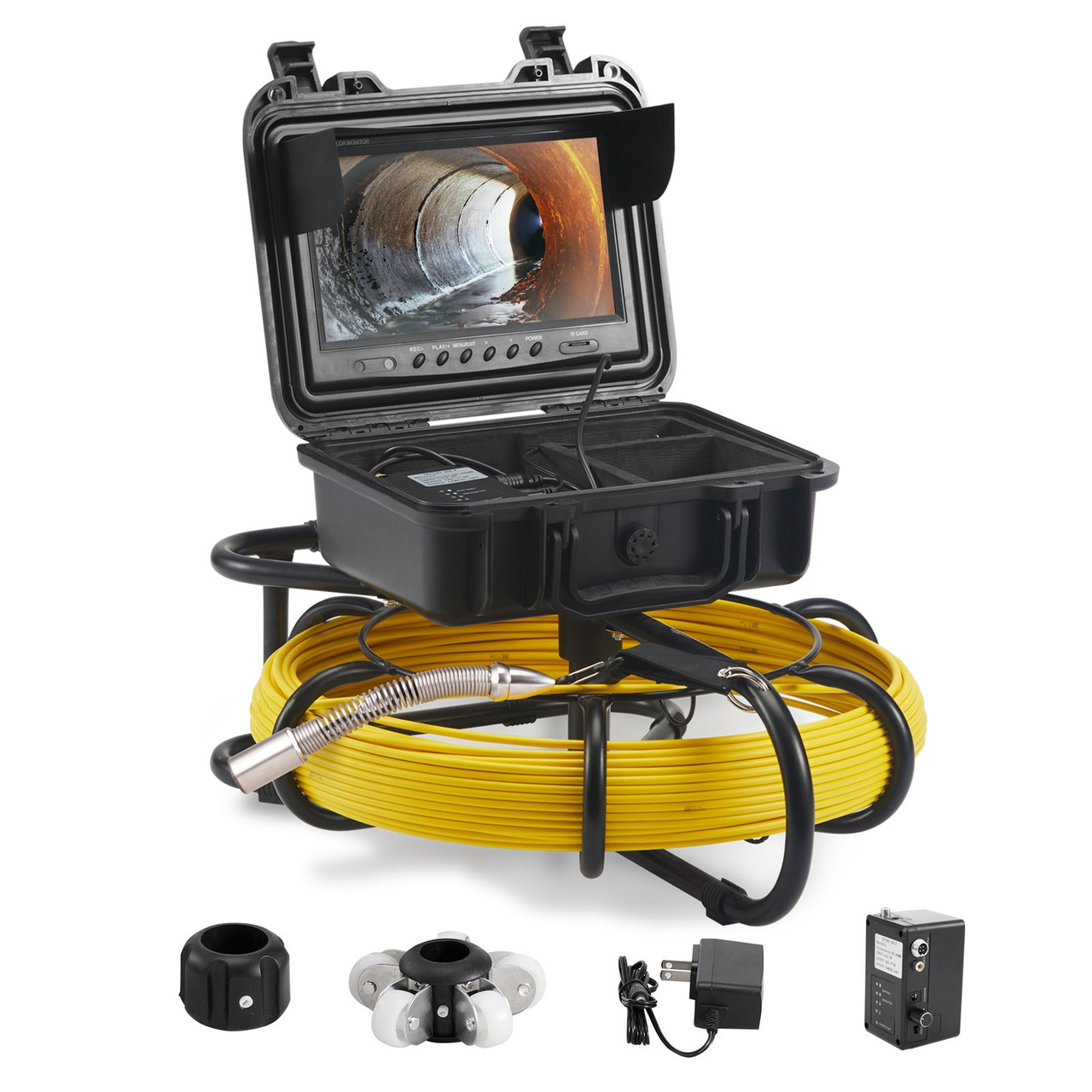
A pipe inspection camera is a specialized video system designed to travel inside pipelines, drains, ducts, and sewer lines. The camera is mounted on a flexible push rod cable and connected to a portable monitor, allowing technicians to see inside pipes in real time. This technology enables professionals to identify blockages, cracks, corrosion, root intrusion, and structural damage without digging or dismantling pipes.
For plumbing contractors, municipal maintenance teams, and industrial inspectors, sewer camera inspection has become one of the most efficient and reliable methods for diagnosing underground pipeline problems.
How Pipe Inspection Cameras Work
A sewer inspection camera system typically consists of several important components:
• A waterproof camera head
• A flexible push rod cable
• LED illumination for dark environments
• A portable monitor or control unit
• Recording capability for video and images
The camera is inserted into the pipe through a drain opening or access point. As the cable is pushed deeper into the pipeline, the camera sends a live video feed to the monitor above ground.
This real-time visualization allows technicians to inspect every section of the pipe interior. The built-in LED lights illuminate the pipe walls, enabling clear visibility even in completely dark sewer environments.
Some advanced systems also include distance counters, camera locators, and recording features to document inspection results.
Common Sewer Problems Detected with Inspection Cameras
Pipe inspection cameras are used to detect a wide range of problems inside sewer systems and drainage pipelines.
Some of the most common issues discovered during inspections include:
Blockages and Debris
Over time, sewer pipes may become blocked by grease buildup, sediment, debris, or foreign objects. A camera inspection helps identify the exact location of the blockage so technicians can remove it quickly.
Tree Root Intrusion
Tree roots often penetrate underground pipes in search of moisture. These roots can cause serious damage and restrict water flow inside the pipe.
Pipe Corrosion and Cracks
Aging metal pipes can corrode, while plastic or clay pipes may crack due to ground movement or pressure. Camera inspections allow technicians to evaluate the structural condition of the pipeline.
Pipe Misalignment or Collapse
Shifting soil or heavy loads can cause pipes to become misaligned or partially collapsed. Identifying these issues early helps prevent major infrastructure failures.
Industries That Use Pipe Inspection Cameras
Inspection cameras are widely used across many industries that rely on underground pipelines or hard-to-reach infrastructure.
These include:
• Plumbing and drain cleaning services
• Municipal sewer maintenance departments
• Construction and infrastructure inspection
• HVAC duct inspection
• Industrial plant maintenance
• Oil and gas pipeline inspection
In municipal maintenance, sewer inspection cameras are frequently used to evaluate the condition of aging underground infrastructure and prevent costly emergency repairs.
Advantages of Using Sewer Inspection Cameras
Using a pipe inspection camera provides several important benefits compared to traditional diagnostic methods.
Non-Destructive Inspection
Technicians can inspect pipes without digging trenches or dismantling infrastructure.
Faster Problem Detection
Camera inspections quickly identify the exact location of blockages or damage.
Accurate Maintenance Planning
Video documentation allows engineers and maintenance teams to plan repairs more effectively.
Cost Reduction
Early detection of pipeline issues helps avoid expensive structural damage or emergency repairs.
Choosing the Right Pipe Inspection Camera
When selecting a sewer inspection camera system, several features should be considered:
• Camera resolution and image quality
• Cable length and flexibility
• Waterproof protection rating
• LED lighting performance
• Recording and documentation features
• Camera rotation and pan-tilt capability
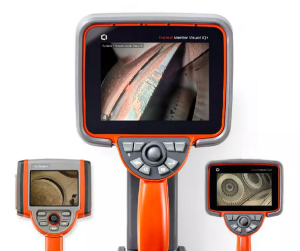
High-end systems designed for professional inspections often include motorized pan-and-tilt camera heads, HD displays, and advanced recording capabilities.
For professionals looking for a high-performance inspection solution, you can also explore the Wohler VIS 700 HD Video Inspection Camera System which offers high-definition imaging and advanced camera control for industrial inspections.
Conclusion
Pipe inspection cameras have revolutionized the way technicians diagnose sewer and pipeline problems. By providing real-time visual access to underground infrastructure, these systems allow professionals to detect issues quickly, accurately, and without destructive excavation.
As sewer systems and industrial pipelines continue to age, inspection camera technology will play an increasingly important role in maintenance, safety, and infrastructure management.
Professionals who invest in advanced inspection equipment can significantly improve diagnostic accuracy, reduce maintenance costs, and ensure the long-term reliability of critical pipeline systems.