Industrial maintenance plays a critical role in ensuring the reliability, safety, and efficiency of equipment used in manufacturing plants, infrastructure systems, and energy facilities. However, many mechanical problems occur inside confined spaces where direct visual access is impossible.
This challenge has led to the widespread adoption of video inspection cameras, which allow technicians to visually inspect internal components without dismantling equipment. These advanced tools have transformed the way industries perform diagnostics, preventive maintenance, and failure analysis.
By providing real-time video inside pipes, machinery, and structural systems, inspection cameras help engineers detect problems early and reduce costly downtime.
What Is a Video Inspection Camera?
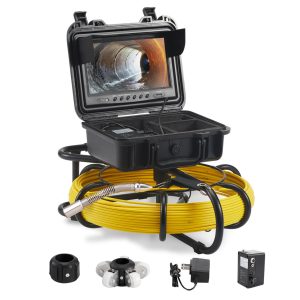
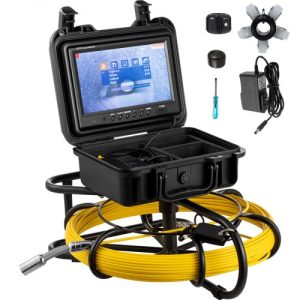
A video inspection camera is a specialized device designed to capture live images or video inside areas that are difficult to access. These cameras are typically mounted on flexible cables or rigid probes that can travel through pipes, ducts, engines, or mechanical assemblies.
Most professional inspection systems include:
• A high-resolution camera head
• Flexible cable or push rod
• LED lighting for dark environments
• A portable monitor or control unit
• Image and video recording capability
This combination allows technicians to inspect internal structures while documenting inspection results for analysis or reporting.
Industrial Applications of Video Inspection Cameras
Video inspection cameras are widely used across multiple industries that require non-destructive inspection of internal components.
Pipeline and Sewer Inspection
Pipelines used in municipal systems, oil facilities, and industrial plants often require routine inspections to detect leaks, corrosion, or blockages. Video cameras can travel through long pipelines and transmit real-time images to technicians.
For more details about pipeline diagnostics, you can also read our guide on Pipe Inspection Camera for Sewer Diagnostics.
Manufacturing Equipment Maintenance
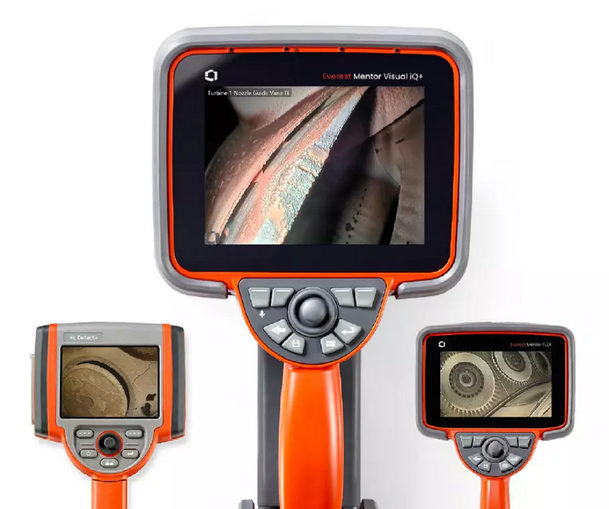
In manufacturing environments, inspection cameras are commonly used to inspect gears, turbines, engines, and mechanical assemblies. Technicians can check for wear, cracks, or debris buildup without stopping production lines.
HVAC and Ventilation Systems
Heating, ventilation, and air conditioning systems often contain complex duct networks. Inspection cameras help technicians examine internal duct conditions and detect blockages or contamination.
Infrastructure and Construction Inspection
Engineers frequently use inspection cameras to examine structural cavities, concrete voids, and underground utilities during construction projects.
Advantages of Video Inspection Cameras in Industrial Maintenance
Using inspection cameras offers several significant advantages compared to traditional inspection methods.
Non-Destructive Inspection
Inspection cameras allow technicians to inspect equipment without dismantling components or damaging structures.
Reduced Maintenance Downtime
Because inspections can be performed quickly, equipment downtime is minimized, improving operational efficiency.
Early Problem Detection
Video inspections make it easier to identify early signs of damage such as corrosion, cracks, or leaks before they lead to major failures.
Accurate Documentation
Most inspection systems can record images and videos, allowing maintenance teams to maintain detailed inspection records.
Features to Look for in a Professional Inspection Camera
When selecting a video inspection camera for industrial use, several key features should be considered.
• High-definition camera resolution
• Adjustable LED lighting
• Flexible or motorized camera movement
• Long inspection cable or push rod
• Waterproof protection for harsh environments
• Video recording and data storage capability
Some advanced inspection systems also include motorized pan-and-tilt cameras that allow technicians to inspect every angle inside pipes or machinery.
A professional example of this type of equipment is the Wohler VIS 700 HD Video Inspection Camera System, which provides high-definition imaging and motorized camera control for detailed industrial inspections.
The Future of Industrial Inspection Technology
Inspection technology continues to evolve with improvements in camera resolution, wireless connectivity, and digital data recording. Modern systems now integrate advanced features such as HD video recording, remote data sharing, and improved maneuverability inside complex pipe networks.
As industries continue to prioritize preventive maintenance and operational safety, video inspection cameras will remain essential tools for technicians and engineers worldwide.
Conclusion
Video inspection cameras have become indispensable tools in modern industrial maintenance. By allowing technicians to visually inspect internal equipment without dismantling structures, these systems improve diagnostic accuracy, reduce maintenance costs, and increase operational efficiency.
Industries that adopt advanced inspection technologies can significantly enhance equipment reliability while preventing costly failures in critical infrastructure.