
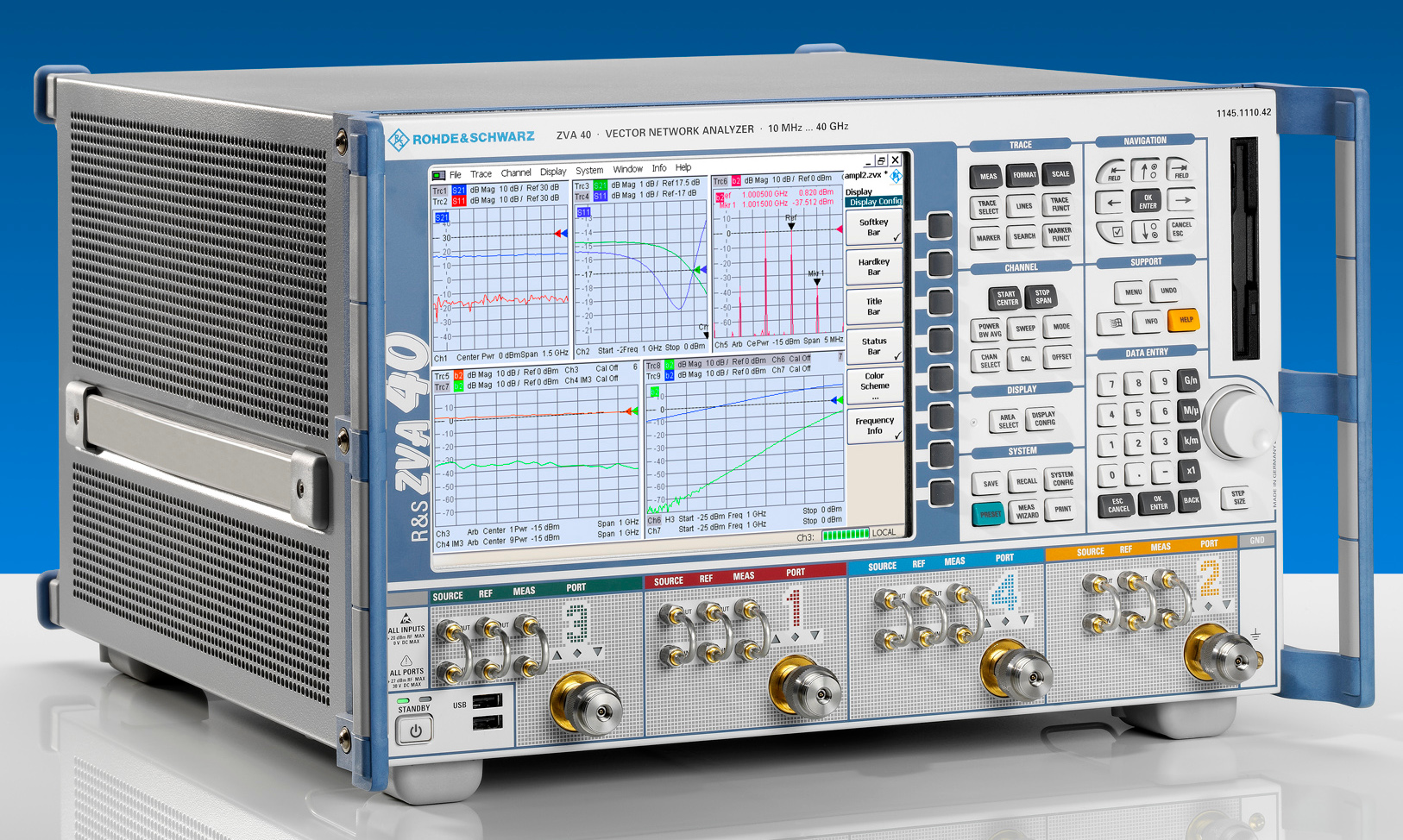
In modern RF and microwave engineering, accurate measurement of electrical network behavior is essential for designing reliable communication systems. One of the most important instruments used in these measurements is the Vector Network Analyzer (VNA).
A Vector Network Analyzer is a specialized electronic test instrument used to measure the network parameters of electrical devices, particularly at radio frequency (RF) and microwave frequencies. Engineers commonly use VNAs to analyze components such as antennas, filters, amplifiers, cables, and connectors.
Advanced instruments such as the Anritsu MS4644A Vector Network Analyzer are capable of measuring signals across extremely wide frequency ranges, enabling precise RF analysis in laboratory and industrial environments.
Understanding Network Parameters
Electrical networks can be characterized using parameters that describe how signals behave when entering and leaving a device. The most common measurement used in RF engineering is the S-parameter, or scattering parameter.
S-parameters describe how RF signals are reflected or transmitted through a device under test. The most commonly measured parameters include:
- S11 – Input reflection coefficient
- S21 – Forward transmission gain or loss
- S12 – Reverse transmission
- S22 – Output reflection coefficient
By measuring these parameters, engineers can determine how efficiently a device transfers energy from input to output.
How a Vector Network Analyzer Works
A Vector Network Analyzer generates a known RF signal and sends it through the device being tested. The analyzer then measures both the amplitude and phase of the signal that is reflected or transmitted through the device.
Unlike simpler RF measurement tools, VNAs measure both magnitude and phase, which allows engineers to fully characterize the behavior of RF components.
The measurement process typically involves the following steps:
- The VNA generates a swept RF signal across a defined frequency range.
- The signal is applied to the device under test (DUT).
- Sensors measure reflected and transmitted signals.
- The analyzer calculates S-parameters and displays them graphically.
Modern VNAs such as the Anritsu MS4644A Vector Network Analyzer can measure frequencies from 10 MHz up to 40 GHz, making them suitable for high-frequency communication systems and advanced research applications.
Applications of Vector Network Analyzers
Vector Network Analyzers are used in a wide range of industries where RF performance is critical. Common applications include:
Antenna Testing
Engineers use VNAs to measure antenna impedance, return loss, and bandwidth performance.
RF Component Development
Manufacturers test filters, amplifiers, couplers, and mixers using VNAs to ensure proper performance.
Telecommunications Equipment
VNAs help verify signal integrity in wireless communication systems such as 5G, satellite communication, and microwave links.
Aerospace and Defense
Radar systems and high-frequency communication equipment require precise RF measurement tools.
Research Laboratories
Universities and research institutes rely on VNAs for experimental RF and microwave studies.
Key Features of Modern VNAs
Modern Vector Network Analyzers include advanced capabilities designed to improve measurement accuracy and efficiency. These features often include:
- Wide frequency coverage
- High dynamic range
- Fast sweep speeds
- Automatic calibration systems
- High resolution graphical displays
These capabilities allow engineers to perform highly precise measurements even at extremely high frequencies.
Choosing the Right Vector Network Analyzer
Selecting the right VNA depends on several important factors:
- Required frequency range
- Measurement accuracy
- Number of test ports
- Dynamic range
- Calibration options
High-performance instruments like the Anritsu MS4644A Vector Network Analyzer are designed for demanding applications requiring accurate microwave measurements up to 40 GHz.
Conclusion
Vector Network Analyzers are essential tools for engineers working in RF and microwave technology. By measuring both the magnitude and phase of electrical signals, VNAs provide a complete understanding of how RF components behave across a wide frequency range.
As wireless communication systems continue to evolve, the importance of accurate RF measurement equipment will only continue to grow. Instruments such as the Anritsu MS4644A Vector Network Analyzer provide the precision and reliability required for advanced RF testing and development.